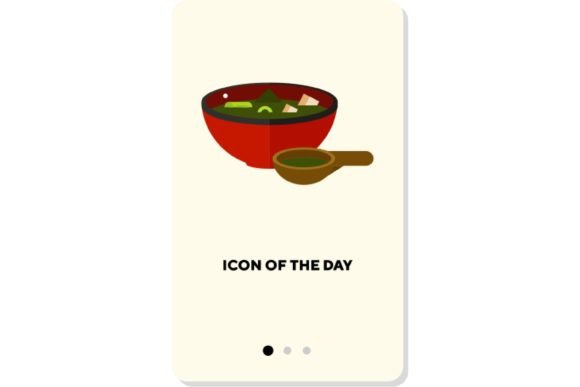
Asian Meal Flat Icon: Noodle & Soy Design
In the fast-paced world of digital design, clarity is king. When a user scans a food delivery app or browses a restaurant website, they do not have time to decipher complex illustrations. This is where the Asian Meal Flat Icon becomes an essential asset. Specifically, designs featuring noodles and soy elements offer a universal visual language that transcends borders. Whether you are building a mobile application for a local ramen shop or designing a global culinary blog, understanding how to utilize these vector symbols can significantly enhance user experience and brand recognition.
The concept of an Asian meal flat icon is rooted in minimalism. By stripping away shadows, gradients, and excessive detail, designers create symbols that are instantly recognizable at any size. A bowl of noodles paired with a soy sauce bottle or chopsticks communicates "Asian cuisine" immediately. This efficiency is not just about aesthetics; it is about functionality. For developers and designers, using isolated vector signs ensures that graphics remain crisp on high-resolution screens while keeping file sizes small for faster loading times.
Why Visual Simplicity Matters in Food Tech
For entrepreneurs and small business owners in the food industry, the digital storefront is often the first point of contact with customers. A cluttered interface can lead to confusion and abandoned carts. Conversely, a clean, intuitive design builds trust. The noodle and soy isolated vector sign serves as a clear category marker. It helps users navigate menus quickly, distinguishing Asian dishes from other cuisines without reading lengthy descriptions.
Consider the perspective of a marketer working on a campaign for a new fusion restaurant. They need assets that are versatile enough to work on social media stories, website headers, and printed flyers. Flat icons provide this flexibility. Because they are vector-based, they can be scaled up for a billboard or down for a favicon without losing quality. This adaptability makes them a cost-effective solution for businesses with limited resources but high visual standards.
Tailoring Design Choices to Your Audience
Different professionals approach the use of these icons with varying priorities. Understanding these distinctions can help you select the right assets for your specific project.
For App Developers and UI/UX Designers
If you are building a food delivery platform, consistency is your primary concern. You need a cohesive icon set where the noodle bowl matches the style of the sushi roll and the tea cup. The Asian meal flat icon must integrate seamlessly into your existing design system. Developers prioritize ease of implementation. They look for SVG files that are clean, well-organized, and easy to code into the interface. An isolated vector sign allows for easy color customization to match brand guidelines, ensuring that the icon feels like a native part of the app rather than an afterthought.
For Content Creators and Bloggers
Food bloggers and lifestyle influencers focus on engagement and aesthetic appeal. For them, the icon is a decorative element that breaks up text and adds visual interest to articles. A blogger writing about "The Best Ramen Spots in Tokyo" might use a stylized noodle icon as a section divider. Here, creativity and uniqueness matter more than strict uniformity. They may prefer icons with slight variations or unique color palettes that stand out in social media thumbnails. The goal is to capture attention and convey the mood of the content quickly.
For Educators and Instructional Designers
Educators creating materials for culinary schools or language learners use icons to aid comprehension. In a textbook teaching vocabulary related to food, a clear illustration of noodles and soy sauce helps students associate the word with the object. For this audience, accuracy and clarity are paramount. The icon must be unambiguous. A flat design works well here because it removes distracting details, allowing the learner to focus on the core concept. Reliability and educational value drive their selection process.
Evaluating Quality and Usability
Not all vector illustrations are created equal. When searching for an Asian meal flat icon, several factors determine its long-term usefulness.
- Scalability: Ensure the vector paths are clean. Poorly constructed vectors can have jagged edges when scaled, ruining the professional look of your project.
- Customizability: Look for files that allow easy color changes. If the soy sauce bottle is a single solid shape, you can recolor it to match your brand. If it is composed of multiple complex layers, editing becomes tedious.
- Style Consistency: Check the line weight and corner radius. If your other icons have rounded corners and thick lines, a sharp, thin-lined noodle icon will look out of place.
- File Format: SVG is the standard for web and app design due to its small size and scalability. PNGs are useful for quick previews but lack the flexibility of vectors.
Professionals often weigh the cost against the time saved. Purchasing a premium, well-organized icon set may cost more upfront than downloading free, scattered resources. However, the time saved in editing and organizing files often justifies the investment. For freelancers working on tight deadlines, this efficiency is crucial.
Practical Applications in Web Design
Integrating these icons into your web design requires a strategic approach. They should not merely be decorative; they should serve a functional purpose. For instance, use the noodle icon as a button for filtering search results by cuisine type. Use the soy sauce bottle as a symbol for condiments or dietary information. By assigning specific functions to these symbols, you create a more intuitive navigation structure.
Moreover, consider accessibility. While icons are powerful, they should always be accompanied by alt text or labels for screen readers. An icon of noodles should have the alternative text "Asian Noodles" to ensure that visually impaired users understand the content. This inclusive practice enhances the overall usability of your site and aligns with modern web standards.
Making the Right Choice for Your Project
Ultimately, the decision to use an Asian meal flat icon depends on your project's goals. If you are aiming for a playful, casual vibe, you might choose icons with brighter colors and softer shapes. For a high-end dining establishment, a more refined, minimalist monochrome version might be appropriate. Hobbyists experimenting with web design can use these icons to practice layout and color theory without the pressure of commercial stakes.
Consumers, too, benefit from these design choices. A well-designed interface reduces cognitive load, making the process of ordering food or finding a recipe enjoyable rather than frustrating. When designers prioritize clarity and aesthetic harmony, they create a better experience for everyone involved.
Whether you are a seasoned designer refining a portfolio or a small business owner launching your first website, the right visual elements make a significant difference. The noodle and soy isolated vector sign is more than just a graphic; it is a tool for communication. By choosing high-quality, versatile icons, you ensure that your message is delivered clearly, efficiently, and attractively. Take the time to evaluate your needs, consider your audience, and select assets that align with your vision. In the digital landscape, small details often yield the biggest impact.