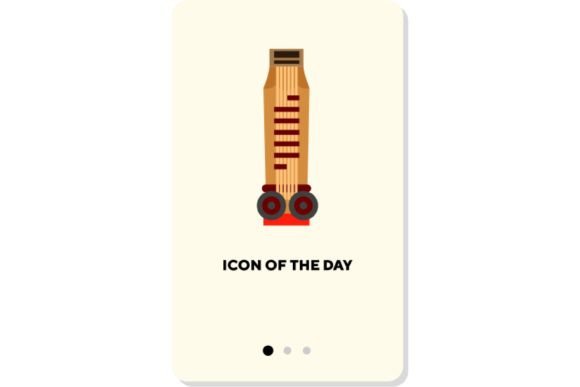
Decoding Tradition Symbols Flat Icon. Gayageum, P: A Guide to Cultural Vector Design
In the rapidly evolving landscape of digital design, the intersection of heritage and modernity presents a unique challenge for creators. As web interfaces and mobile applications strive for global appeal, designers are increasingly turning to culturally specific imagery to convey authenticity and depth. One such emerging niche involves the use of Tradition Symbols Flat Icon. Gayageum, P assets. These vector illustrations are not merely decorative elements; they serve as vital communicative tools that bridge the gap between ancient cultural practices and contemporary user experience design.
The integration of traditional symbols into flat design requires a nuanced understanding of both the source material and the technical constraints of modern web development. This article explores the significance, application, and technical considerations of using these specialized icons, with a particular focus on instruments like the gayageum and broader cultural motifs such as the Norwegian troll or Pomos idol concepts.
The Evolution of Cultural Representation in UI Design
Flat design has dominated the digital aesthetic for over a decade, prioritizing minimalism, usability, and speed. However, early iterations of flat iconography were often criticized for being sterile or generic. To combat this, designers began incorporating region-specific elements. The Tradition Symbols Flat Icon. Gayageum, P collection represents a shift toward hyper-localized design languages. By utilizing vectors that depict specific cultural artifacts, developers can create interfaces that resonate more deeply with target demographics while educating a global audience.
For instance, the gayageum, a traditional Korean zither-like string instrument, is instantly recognizable to those familiar with East Asian music history. When rendered as a clean, scalable vector, it becomes a powerful symbol for categories related to music, heritage, education, or tourism. Unlike photographic images, which can be heavy and difficult to style consistently, flat icons offer versatility. They can be colored, resized, and animated without losing clarity, making them ideal for responsive web design.
Analyzing Key Elements: From Instruments to Mythology
To effectively utilize these assets, one must understand the distinct characteristics of the symbols involved. The collection typically includes a diverse range of items, each carrying its own semantic weight.
Musical Heritage: The Gayageum
The gayageum is perhaps the most prominent element in this specific icon set. Its distinctive shape—long, narrow, and featuring multiple bridges—makes it visually striking even when simplified into a flat icon. For app developers creating educational platforms about world music, or for tourism boards promoting cultural festivals in Korea, this icon serves as an immediate visual cue. It signals tradition, artistry, and acoustic warmth. When paired with other musical symbols, it helps create a cohesive narrative about regional artistic expression.
Mythological Figures: Trolls and Idols
Beyond musical instruments, the scope of traditional symbols extends to mythology and folklore. Consider the Norwegian troll isolated vector. In Scandinavian design contexts, trolls are not just monsters but complex figures from folklore representing nature’s raw power. An isolated vector of a troll allows designers to insert this character into various layouts without background interference. This is particularly useful for gaming apps, children’s educational content, or travel guides focusing on Nordic heritage.
Similarly, references to entities like the Pomos idol introduce elements of spiritual or historical significance. While the term may refer to specific indigenous or historical artifacts, in the context of vector design, it represents the broader category of sacred or ceremonial objects. These icons require careful handling to ensure respect and accuracy. They are best used in contexts related to anthropology, museum collections, or historical documentation rather than casual commercial branding.
Technical Advantages of Vector Illustrations
The choice to use vector illustration symbol elements for web design and apps is driven by several practical advantages over raster images. Understanding these benefits is crucial for professionals aiming to optimize performance and aesthetics.
- Scalability: Vectors are mathematically defined, meaning they can be scaled to any size without pixelation. A Tradition Symbols Flat Icon. Gayageum, P asset will look crisp on a smartwatch screen and equally sharp on a 4K desktop monitor.
- File Size Efficiency: SVG (Scalable Vector Graphics) files are typically smaller than PNGs or JPEGs, especially for simple shapes. This reduces load times, a critical factor for SEO and user retention.
- Styling Flexibility: Using CSS, developers can change the color, stroke width, and opacity of vector icons dynamically. This allows for dark mode compatibility and interactive hover states without needing multiple image files.
- Accessibility: Vector code can include title and description tags, making them readable by screen readers. This ensures that the cultural significance of a gayageum or a troll is conveyed to users with visual impairments.
Strategic Use Cases for Creators and Businesses
Identifying the right context for these icons is as important as selecting the right file format. Different industries can leverage Country and tradition concept visuals in unique ways.
Educational Platforms
Online learning management systems (LMS) focusing on humanities, music, or history can greatly benefit from these icons. A course module on "World Instruments" can use the gayageum icon to denote Korean sections, while a module on "European Folklore" might feature the Norwegian troll. This visual organization helps learners navigate content intuitively.
Tourism and Hospitality
Travel apps often rely on generic pins and bed icons. Incorporating local traditional symbols adds flavor and authenticity. A hotel booking site specializing in cultural stays could use the Pomos idol or similar heritage icons to categorize properties that offer historical experiences. This differentiation helps brands stand out in a crowded market.
Gaming and Entertainment
Indie game developers often seek assets that reflect specific cultural myths. An isolated vector of a Norwegian troll can be integrated into game UIs, inventory screens, or map markers. Because these are flat icons, they blend seamlessly with modern minimalist game interfaces, providing a stylish yet thematic touch.
Implementation Best Practices
While the availability of high-quality vectors like Tradition Symbols Flat Icon. Gayageum, P simplifies the design process, improper implementation can undermine their effectiveness. Here are key considerations for developers and designers.
- Maintain Visual Consistency: Ensure that the line weight and style of the traditional icons match the rest of your interface. If your app uses thin-line icons, do not mix them with bold, filled flat icons unless intentionally contrasting. The gayageum icon should feel like part of the same family as your settings or home icons.
- Cultural Sensitivity: When using symbols like idols or religious artifacts, research their significance. Avoid using sacred symbols in trivial or disrespectful contexts. For example, using a traditional idol icon for a "delete" button would be inappropriate and potentially offensive.
- Optimization for Web: Even though vectors are lightweight, unoptimized SVG code can contain unnecessary metadata. Use tools to minify SVG files before deployment. Remove editor-specific attributes that do not affect rendering.
- Contextual Labeling: Not all users will recognize a gayageum or a specific tribal idol. Always pair these icons with clear text labels or tooltips. This enhances usability and provides an educational opportunity for users unfamiliar with the culture.
Future Trends in Cultural Iconography
The demand for Vector illustration symbol elements for web design and apps is growing as globalization encourages cross-cultural exchange. We are likely to see more specialized icon sets that go beyond major world cultures to include indigenous and lesser-known traditions. This trend supports a more inclusive digital environment where diverse heritages are represented accurately and beautifully.
Furthermore, animation is becoming integral to icon usage. A static gayageum icon might evolve into a micro-interaction where the strings vibrate upon clicking, adding delight and reinforcing the object's identity. Similarly, a troll icon might have subtle movement, bringing the folklore to life. Designers who master both the static and dynamic aspects of these traditional symbols will lead the next wave of engaging user interfaces.
In conclusion, the integration of Tradition Symbols Flat Icon. Gayageum, P and related cultural vectors offers a profound opportunity to enrich digital products. By combining technical efficiency with cultural depth, creators can build experiences that are not only functional but also meaningful. Whether for education, tourism, or entertainment, these symbols serve as bridges, connecting users to the rich tapestry of human history through the sleek lens of modern design.