Mastering the Teeth Care Flat Icon: A Guide to Effective Visual Communication in Dentistry
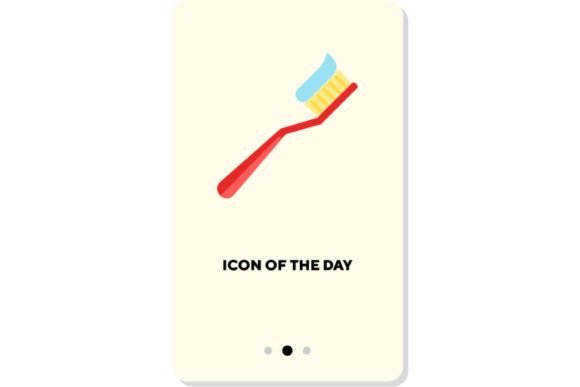
In the crowded digital landscape of healthcare and wellness, visual clarity is not just an aesthetic choice; it is a functional necessity. The Teeth Care Flat Icon, specifically featuring a toothbrush with paste, has become a ubiquitous symbol for oral hygiene, dentistry, and general healthcare concepts. For web designers, marketers, and small business owners in the dental niche, selecting the right vector illustration can significantly impact user engagement and brand perception. However, many creators overlook the subtle nuances that distinguish a generic clip-art image from a professional, high-converting design element.
Understanding why people are drawn to this specific imagery requires looking beyond the surface. The combination of a toothbrush and paste represents the daily ritual of self-care. It is immediate, recognizable, and universally understood. When used correctly in web design, this icon serves as a visual anchor, guiding users toward services such as preventive care, cosmetic dentistry, or product purchases. Yet, the ease of access to stock libraries often leads to poor decision-making. Many entrepreneurs download the first available file without considering scalability, color theory, or contextual relevance, resulting in a disjointed user experience.
The Trap of Generic Selection
One of the most common mistakes professionals make is treating all flat icons as interchangeable. A toothbrush with paste isolated sign may look acceptable at a glance, but upon closer inspection, many free or low-quality vectors suffer from inconsistent line weights, awkward proportions, or outdated stylistic trends. Using such assets can inadvertently signal a lack of attention to detail, which is particularly damaging in the healthcare sector where trust and precision are paramount.
When you choose a poorly constructed icon, you risk compromising the overall quality of your website or marketing material. Users subconsciously associate sloppy graphics with sloppy service. If your dental clinic’s homepage features a pixelated or stylistically mismatched teeth care icon, potential patients may question the modernity of your equipment or the thoroughness of your hygiene protocols. This is not about being overly critical; it is about recognizing that visual consistency builds credibility.
Misunderstanding Scalability and Format
A frequent oversight involves the technical format of the illustration. Many beginners download raster images (like PNG or JPG) when they should be using vector formats (such as SVG or EPS). While a raster image might look sharp on a desktop monitor, it often becomes blurry or pixelated on high-resolution mobile devices or when scaled up for print materials like brochures and business cards.
To avoid this, always prioritize vector illustration symbol elements. Vectors are mathematically defined, meaning they can be resized infinitely without losing quality. This flexibility is crucial for responsive web design, where icons must adapt to various screen sizes seamlessly. Before making a purchase or download, check the file specifications. Ensure that the paths are clean, closed, and editable. This allows you to tweak colors to match your brand palette without needing advanced graphic design skills.
Color Psychology and Contextual Fit
Another area where creators often stumble is color selection. The standard blue and white scheme associated with dentistry is safe, but it is not always the best choice for every brand. Some modern dental practices opt for warmer tones to reduce patient anxiety, while others use vibrant greens to emphasize natural or holistic care. Slapping a default blue toothbrush icon onto a warm-toned website creates visual friction.
Consider the context in which the Teeth Care Flat Icon will appear. Is it part of a navigation menu, a call-to-action button, or an educational infographic? For navigation, simplicity is key; excessive detail can clutter the interface. For infographics, you might need a more detailed representation that shows the interaction between the bristles and the paste. Evaluate the icon’s complexity against its intended use. A minimalist approach often yields better usability, ensuring that the symbol communicates its message instantly without requiring cognitive effort from the viewer.
Overlooking Accessibility and Inclusivity
In today’s digital environment, accessibility is not optional. A common mistake is failing to ensure that icons are accessible to users with visual impairments. Simply placing an image on a page is insufficient. You must provide alternative text (alt text) that describes the image’s function, not just its appearance. For a toothbrush icon, the alt text should read something like "Oral hygiene services" rather than just "toothbrush."
Furthermore, consider the contrast ratios. Light gray icons on a white background may look sleek, but they are difficult for many users to see. Ensure that your chosen flat icon maintains sufficient contrast against its background. This small adjustment can dramatically improve the inclusivity of your design, making your content reachable to a broader audience, including older adults who may have declining vision.
Practical Steps for Better Decision-Making
To ensure you select the right assets for your project, follow these practical guidelines:
- Audit Your Brand Guidelines: Before searching for icons, review your existing brand colors, fonts, and style. Look for icons that complement these elements rather than clash with them.
- Test for Versatility: Choose icons that work well in both color and monochrome. This ensures they remain effective in printed black-and-white documents or dark mode interfaces.
- Check Licensing Terms: Never assume an icon is free for commercial use. Read the license agreement carefully to avoid legal issues later. Opt for reputable sources that offer clear usage rights.
- Seek Consistency: If you are using multiple icons, ensure they come from the same family or designer. Mixing different styles (e.g., one outlined icon with one filled icon) creates a chaotic and unprofessional look.
By taking a thoughtful approach to selecting your Teeth Care Flat Icon, you elevate the perceived value of your brand. It is not merely about decorating a webpage; it is about communicating professionalism, care, and attention to detail. Whether you are a freelancer designing for a client or a small business owner managing your own site, investing time in choosing the right visual elements pays dividends in user trust and engagement.
Final Thoughts on Visual Hygiene
Just as oral hygiene requires consistent, correct practices, maintaining visual hygiene in your digital presence requires ongoing attention. Do not settle for the first option you find. Compare different styles, test them in context, and seek feedback. The right toothbrush with paste icon does more than fill space; it reinforces your message and guides your audience toward the health and wellness solutions you provide. By avoiding common pitfalls and focusing on quality, scalability, and accessibility, you create a digital experience that is as clean and effective as the care you promote.