Understanding the Buying Online Thin Flat Icon: Click, Transaction, and Design Utility
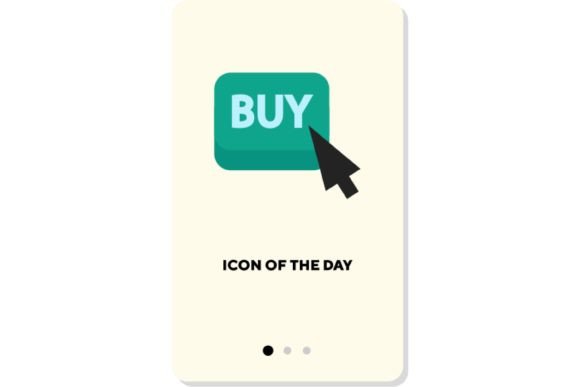
In the rapidly evolving landscape of digital commerce, visual communication serves as the primary bridge between user intent and action. Among the myriad of graphical elements available to designers and developers, the Buying Online Thin Flat Icon has emerged as a critical component for modern interfaces. This specific asset, often characterized by its minimalist lines and clear depiction of a click or transaction event, is not merely decorative; it is a functional tool that enhances user experience (UX) across websites and mobile applications. Understanding the nuances of this vector illustration symbol is essential for anyone involved in web design, app development, or digital marketing.
The Anatomy of Effective Digital Symbols
The term "thin flat icon" refers to a specific stylistic approach in graphic design. Unlike skeuomorphic designs that mimic real-world textures and depths, flat icons rely on two-dimensional elements, solid colors, and clean edges. The "thin" variant takes this further by utilizing slender stroke weights, which convey a sense of elegance, modernity, and lightness. When applied to the concept of online buying, these icons typically feature recognizable motifs such as shopping carts, credit cards, cursors, or checkmarks, all rendered with precision and simplicity.
The distinct advantage of the Buying Online Thin Flat Icon lies in its versatility. Because it is usually delivered as a vector illustration, it can be scaled to any size without losing quality. This makes it ideal for responsive web design, where an icon must look crisp on a high-resolution retina display as well as on a smaller mobile screen. The isolation of the vector sign ensures that it can be easily integrated into various background colors and layouts without requiring complex editing or masking.
Comparing Styles: Thin vs. Bold vs. Filled
When selecting icons for a shopping and technology concept, designers often face a choice between different visual weights. It is important to evaluate how the thin flat style compares to other common formats to determine the best fit for your project.
- Thin Line Icons: These are best suited for interfaces that prioritize whitespace and minimalism. They feel less intrusive and allow content to take center stage. However, they may lack visibility if used at very small sizes or against busy backgrounds.
- Bold or Filled Icons: These offer higher contrast and are easier to spot quickly. They are often used for primary call-to-action buttons. The tradeoff is that they can appear heavier and may clutter a dense interface if overused.
- Duotone or Gradient Icons: While visually striking, these can sometimes distract from the core functionality. They are better suited for marketing materials than for functional navigation elements.
The Buying Online Thin Flat Icon strikes a balance by offering sufficient detail to be recognizable while maintaining a lightweight aesthetic. It is particularly effective in contexts where multiple icons are displayed together, such as in a navigation bar or a feature list, as it prevents visual fatigue.
Practical Applications in Web and App Design
The utility of this icon extends beyond mere aesthetics. In practical terms, it serves as a universal signifier for transactional processes. Here are several scenarios where this specific vector element proves invaluable:
- E-Commerce Checkout Flows: During the checkout process, users need clear visual cues to confirm their actions. A thin flat icon depicting a click or transaction can reassure users that their payment is being processed securely.
- Mobile App Navigation: Screen real estate is limited on mobile devices. Thin icons occupy less visual weight, allowing for cleaner interfaces that are easier to navigate with one hand.
- Onboarding Tutorials: When guiding new users through an app’s features, isolated vector signs can highlight specific actions, such as "click here to buy," without overwhelming the user with text.
- Dashboard Analytics: For admin panels or seller dashboards, these icons can represent metrics related to sales volume, transaction history, or user engagement, providing a quick visual summary of data.
By using a consistent set of thin flat icons, designers create a cohesive visual language that helps users intuitively understand the functionality of the platform. This consistency builds trust and reduces the cognitive load required to complete tasks.
Evaluating Quality and Technical Specifications
Not all vector illustrations are created equal. When sourcing a Buying Online Thin Flat Icon, it is crucial to assess the technical quality of the file. A high-quality vector should have clean paths, no unnecessary anchor points, and properly organized layers. This ensures that developers can easily customize the color, stroke width, or size using CSS or design software like Adobe Illustrator or Figma.
Additionally, consider the semantic accuracy of the icon. Does the "click" element clearly resemble a cursor or a finger tap? Is the "transaction" aspect represented by a universally recognized symbol, such as a card or a receipt? Ambiguous icons can lead to user confusion, negating the benefits of a clean design. Always test icons with real users to ensure they convey the intended meaning instantly.
When to Choose Alternatives
While the thin flat style is highly popular, it is not always the optimal choice. There are specific situations where alternative approaches may yield better results. For instance, if your target audience includes older adults or individuals with visual impairments, higher contrast filled icons may be more accessible. Similarly, in low-light environments or on screens with poor brightness, thin lines might become difficult to discern.
Furthermore, if your brand identity is bold, playful, or retro, a thin minimalist icon might clash with the overall tone. In such cases, exploring illustrative or hand-drawn styles could provide a better alignment with your brand voice. The key is to align the icon style with both the functional requirements of the interface and the emotional resonance of the brand.
Making an Informed Decision
Selecting the right visual assets for your digital product involves balancing aesthetics, functionality, and technical performance. The Buying Online Thin Flat Icon offers a compelling solution for modern web and app design, providing clarity, scalability, and a contemporary look. By understanding its strengths and limitations, you can make a more informed decision about whether it fits your specific project needs.
Remember to evaluate the context in which the icon will be used. Consider the device types, user demographics, and overall design system. Test different variations to see which performs best in terms of user engagement and comprehension. Ultimately, the goal is to create a seamless and intuitive experience that guides users effortlessly from browsing to buying. Whether you choose thin flat icons or another style, consistency and clarity should remain your guiding principles.
As digital trends continue to shift, the demand for clean, efficient, and meaningful visual communication will only grow. Investing time in selecting high-quality vector elements now can save significant resources in redesigns and updates later. Keep your user’s perspective at the forefront, and let functionality drive your design choices.