Underwater Elements Flat Icon: Seashell Design
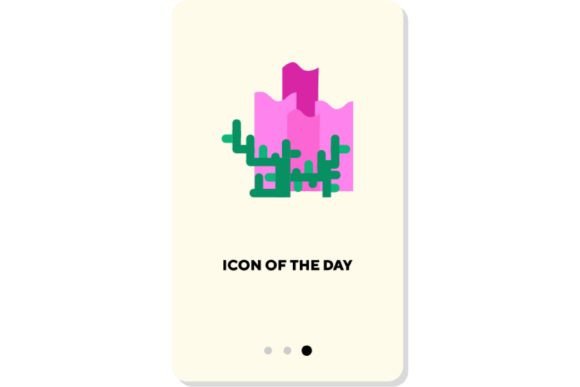
When you think of oceanic aesthetics, the mind often drifts to fluid gradients and complex watercolor textures. However, there is a distinct power in simplicity, particularly when translating marine life into functional design assets. The concept behind Underwater Elements Flat Icon. Seashell, along with its companion illustrations of corals and gems, represents a shift toward clarity and versatility in visual communication. This vector illustration set is not merely decorative; it serves as a foundational tool for creators who need to convey themes of sea life, diving, and coastal elegance without the visual noise of hyper-realism.
The visual characteristics of these flat icons are defined by their clean lines and solid color fills. Unlike detailed sketches or photorealistic renders, flat design strips away unnecessary depth, shadows, and textures. A seashell in this style becomes an instantly recognizable symbol rather than a scientific diagram. The personality of such graphics is calm, approachable, and modern. They possess a quiet confidence that allows them to sit comfortably alongside bold typography or intricate backgrounds without competing for attention. For designers working on web design projects, this balance is crucial. Icons must be legible at small sizes, and the simplified geometry of flat underwater elements ensures they remain crisp on everything from mobile screens to large desktop monitors.
Strategic Applications Across Digital and Print Media
The utility of these underwater symbols extends far beyond simple decoration. For entrepreneurs and small business owners in the tourism, hospitality, or wellness sectors, these icons offer a cohesive way to build brand identity. Imagine a boutique hotel near the coast using a stylized seashell icon in its navigation menu or a spa brand incorporating coral motifs into its service brochures. The consistency provided by a unified vector set helps establish professional recognition. When customers see the same visual language across your website, social media graphics, and printed packaging, it reinforces trust and familiarity.
In the realm of editorial design, these elements can break up text-heavy layouts in travel magazines or environmental newsletters. A flat icon of a gem or a shell can serve as a bullet point, a section divider, or a subtle watermark. Because they are vector-based, they scale infinitely without losing quality, making them ideal for both digital PDFs and high-resolution print runs. Marketers will find them particularly useful for creating infographics about ocean conservation or diving safety. The clear, uncluttered nature of flat icons makes complex data more digestible, allowing the audience to focus on the message rather than deciphering the artwork.
For content creators and bloggers, integrating these assets into social media graphics can enhance engagement. A consistent set of underwater icons can become part of a content template, giving Instagram stories or Pinterest pins a signature look. This is especially effective for niche audiences interested in marine biology, sustainable living, or beach lifestyle topics. The "decoration concept" mentioned in the asset description is not just about aesthetics; it is about creating a thematic atmosphere that resonates with the viewer’s interests and emotions.
Enhancing Visual Hierarchy and User Experience
One of the most significant advantages of using well-crafted icons like the Underwater Elements Flat Icon. Seashell, is their impact on visual hierarchy. In web design, users scan pages rather than reading every word. Icons act as visual anchors, guiding the eye to key information. A seashell icon next to a "Contact Us" button for a coastal resort, for example, provides immediate contextual clues. This reduces cognitive load, allowing users to navigate interfaces more intuitively. When paired with a clean sans serif font, these icons create a modern, streamlined look that feels professional and easy to use.
Readability is another critical factor. While decorative script fonts or ornate serif fonts have their place in headings, they can be overwhelming if used excessively. Flat icons complement these typefaces by adding visual interest without sacrificing clarity. If you are using a bold display font for a headline about ocean adventures, a simple flat icon can balance the weight of the text. Conversely, if your body text is set in a highly readable modern typography stack, the icons add a touch of personality that prevents the design from feeling sterile. The key is balance: the icons should support the content, not distract from it.
Brand perception is heavily influenced by these subtle design choices. A brand that uses high-quality, consistent vector illustrations is perceived as more established and detail-oriented. Cheap or mismatched clip art can undermine credibility, whereas a cohesive set of underwater elements signals professionalism. This is vital for logo design as well. While a full logo might require custom lettering, incorporating a flat seashell element can create a memorable mark that works well as a favicon or app icon. The simplicity ensures it remains recognizable even when scaled down to sixteen pixels.
Practical Guidance for Selection and Implementation
Choosing the right assets for your project requires a strategic approach. First, evaluate the project fit. Ask yourself if the flat style aligns with your overall brand voice. If your brand is rustic and handcrafted, a handwritten font paired with sketch-style illustrations might be better. However, if your brand is modern, tech-forward, or minimalist, flat icons are an excellent choice. Consider the color palette of your existing materials. Flat icons are easy to recolor, allowing you to match them precisely to your brand guidelines. This flexibility is a major advantage over raster images, which are difficult to modify without losing quality.
Testing font pairings is essential when integrating these icons. Since the icons are geometric and clean, they pair well with structured typefaces. Try combining them with a neutral sans serif font for body text and a slightly more characterful font for headings. Avoid pairing them with overly decorative fonts that might clash with the simplicity of the flat design. Always review the included styles in the vector package. Ensure you have access to various formats (SVG, EPS, PNG) to cover all your needs, from web implementation to print production.
Finally, always verify commercial licensing. Whether you are a freelancer creating work for a client or a business owner updating your own site, understanding the usage rights of your commercial font and graphic assets is non-negotiable. Most premium vector sets come with clear licenses for personal and commercial use, but it is wise to double-check restrictions on redistribution or merchandise sales. By treating these underwater elements as integral components of your design system rather than afterthoughts, you elevate the overall quality of your creative output. The result is a polished, professional aesthetic that engages your audience and effectively communicates your message.