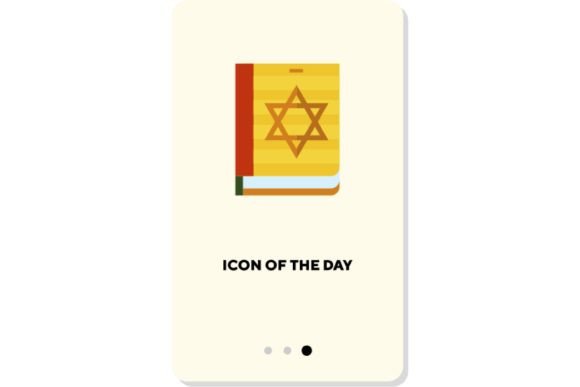
Book Reading Flat Icon for Mobile Apps
In the crowded landscape of digital interfaces, clarity is not just a design preference; it is a functional necessity. When users glance at a screen, they need to understand functionality instantly. This is where the book reading flat icon becomes an indispensable asset for modern mobile applications. It serves as a universal visual shorthand, bridging the gap between abstract code and human understanding. Whether you are designing a dedicated e-reader, a library management system, or an educational platform, this simple graphic element carries significant weight in user experience (UX) design.
The appeal of the flat design style lies in its minimalism. By stripping away unnecessary shadows, gradients, and textures, designers create symbols that load quickly and remain legible at any size. A well-crafted vector illustration of a book does more than represent an object; it evokes concepts of knowledge, hobby, religion, and continuous learning. For creators and entrepreneurs, leveraging this symbol effectively can elevate a brand’s perceived professionalism and usability.
The Power of Minimalist Symbolism
Flat icons have dominated web and mobile design for over a decade, and their longevity is no accident. They align perfectly with the constraints of mobile devices, where screen real estate is precious and processing power must be conserved. A mobile phone app reader book isolated sign works because it reduces cognitive load. Users do not need to decipher complex artwork to know that tapping the icon will open a text interface or access their digital library.
However, simplicity does not mean generic. The challenge for designers is to inject personality into standard shapes. A book icon can vary subtly to convey different tones. Sharp, geometric lines might suggest a technical manual or a productivity tool, while softer, rounded corners could imply fiction, leisure, or children’s literature. These nuanced differences allow brands to communicate their identity without using words. For marketers and small business owners, understanding these visual cues helps in selecting assets that resonate with their specific target audience.
Versatile Applications Across Industries
While the primary association is with literature, the utility of a book reading icon extends far beyond traditional publishing. Its versatility makes it a valuable component for various sectors. Here is how different professionals can adapt this element for unique goals:
- Educational Technology: Educators and ed-tech startups can use the icon to denote course modules, textbooks, or reference materials. In this context, the symbol represents structured learning and academic authority.
- Religious and Spiritual Apps: For platforms focused on scripture, prayer, or meditation, the book icon often signifies sacred texts. Designers might pair it with subtle motifs like light or doves to reinforce the spiritual concept without cluttering the interface.
- Productivity and Note-Taking: Freelancers and entrepreneurs often use digital notebooks. A book icon can serve as the entry point to journals, logs, or project documentation, emphasizing organization and record-keeping.
- Audiobook and Podcast Platforms: Even when the content is auditory, the visual metaphor of a book remains relevant. It anchors the user in the narrative experience, connecting the audio format to its literary roots.
By recognizing these diverse contexts, designers can choose variations that fit the specific emotional tone of their application. A corporate training app requires a different aesthetic than a cozy mystery novel reader, even if both use the same fundamental symbol.
Design Considerations for Consistency
Creating or selecting a vector illustration symbol is only the first step. Integrating it seamlessly into a broader design system requires attention to detail. Consistency is key to maintaining a polished look. If your app uses outlined icons, the book should share the same stroke width and corner radius as the home, search, and profile icons. Mismatched styles create visual friction, making the interface feel disjointed and unprofessional.
Color also plays a critical role. While black or dark gray is standard for neutral navigation elements, using brand colors for active states can enhance engagement. For instance, when a user is currently viewing their library, the book icon might turn blue or green to indicate selection. This feedback loop is essential for intuitive navigation. Designers should test these color contrasts to ensure accessibility for users with visual impairments, adhering to WCAG guidelines.
Furthermore, scalability is non-negotiable. Since these assets are vectors, they should remain crisp whether displayed on a smartwatch or a large tablet. Avoid adding intricate details that disappear at smaller sizes. The goal is immediate recognition. If the spine of the book or the pages become indistinguishable at 16x16 pixels, the design needs simplification.
Creative Variations and Modern Trends
To keep designs fresh, many creators are experimenting with hybrid styles. While pure flat design is timeless, combining it with subtle depth or vibrant gradients can make an app stand out in a saturated market. Consider these creative approaches:
- The Open Book: Instead of a closed cover, an open book suggests immersion and activity. This is ideal for apps where reading is the primary action, inviting users to dive into content immediately.
- The Stack: Multiple books stacked together can represent a library, collection, or archive. This variation works well for features involving saved items or historical records.
- Interactive Elements: Some modern icons include micro-interactions. When tapped, the pages might flip slightly, or the book might glow. These small animations delight users and confirm actions without being distracting.
- Abstract Interpretations: For highly modern or artistic brands, deconstructing the book into basic geometric shapes can create a unique logo mark that doubles as a functional icon.
These variations allow for originality while maintaining the core semantic meaning. Bloggers and content creators can use these distinct styles to brand their newsletters or digital products, ensuring their visual identity remains memorable.
Implementing for User-Centric Results
Ultimately, the success of any icon depends on how well it serves the user. When implementing a book reading flat icon, consider the user’s journey. Where does this icon sit in the hierarchy? Is it a primary navigation item or a secondary feature? Primary icons should be larger and more prominent, while secondary ones can be subtler.
Testing is crucial. A/B testing different icon styles can reveal which version leads to higher engagement rates. Perhaps users respond better to a filled icon versus an outlined one. Maybe a specific color drives more clicks to the reading section. Data-driven decisions remove guesswork and ensure that design choices align with business objectives.
For small business owners and publishers, investing in high-quality, scalable vector assets pays dividends. It ensures that as the brand grows and expands to new platforms, the visual language remains consistent and professional. Avoid using low-resolution raster images that pixelate on high-density screens. Instead, opt for SVG formats that offer flexibility and small file sizes, contributing to faster load times and better SEO performance for web-based apps.
In conclusion, the book reading flat icon is more than a decorative element; it is a functional cornerstone of digital literacy interfaces. By understanding its symbolic weight, adapting it to specific industry needs, and maintaining rigorous design standards, creators can build experiences that are both beautiful and usable. Whether you are building the next great reading app or simply organizing a personal knowledge base, let this simple symbol guide your users toward clarity and engagement.