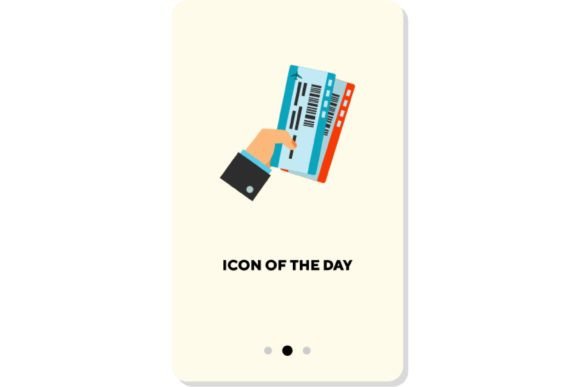
Mastering the Departure Area Icon
In the fast-paced world of digital interface design, clarity is not just a preference; it is a necessity. When users navigate travel apps, booking platforms, or airport wayfinding systems, they rely on immediate visual cues to guide their actions. This is where the departure area flat icon. ticket isolated becomes an essential asset. It is more than a simple graphic; it is a functional bridge between complex logistical data and user understanding. By combining the universal symbol of a ticket with the context of a departure zone, this vector illustration serves as a cornerstone for intuitive travel-related design.
The appeal of this specific icon lies in its dual functionality. It represents both the physical object—the ticket—and the abstract concept of leaving or starting a journey. For designers, marketers, and entrepreneurs, understanding how to leverage this symbol can significantly enhance user experience (UX) and brand consistency. Whether you are building a mobile application for a new airline startup or designing a blog post about travel tips, the right visual element can anchor your message and improve engagement.
The Power of Minimalist Symbolism
Flat design has dominated the digital landscape for years, and for good reason. It strips away unnecessary textures, shadows, and gradients, focusing instead on shape, color, and negative space. The departure area flat icon. ticket isolated exemplifies this philosophy. By isolating the ticket element, the design removes visual clutter, allowing the brain to process the information instantly. This is crucial in high-stress environments like airports, where travelers are often rushing and distracted.
When you use a vector illustration for these elements, you gain scalability without loss of quality. This means the same icon can appear crisp on a smartwatch screen, a smartphone app, or a large desktop dashboard. For web designers and app developers, this versatility reduces the need for multiple asset versions, streamlining the development process. The clean lines of a flat icon also ensure that it remains legible even at small sizes, a common requirement in mobile navigation bars.
Creative Applications Across Industries
While the primary association is with aviation, the utility of this icon extends far beyond airline websites. Creative professionals can adapt the departure area flat icon. ticket isolated for various contexts, provided they maintain semantic relevance. Here are several practical ways different users can integrate this symbol into their projects:
- Travel Bloggers and Content Creators: Use the icon as a bullet point for sections discussing flight hacks, packing lists, or itinerary planning. It visually breaks up text and signals to the reader that the content is actionable and travel-focused.
- Educators and Training Specialists: In courses about logistics, tourism management, or customer service, the icon can serve as a visual marker for modules related to check-in procedures, boarding processes, or terminal navigation.
- Small Business Owners: If you run a shuttle service, luggage storage facility, or travel insurance agency, incorporating this icon into your website’s service menu helps users quickly identify relevant offerings without reading lengthy descriptions.
- App Developers: Beyond the obvious "My Tickets" section, consider using variations of this icon for push notifications regarding gate changes, delay alerts, or boarding reminders. Consistency in iconography builds trust and familiarity.
Designing for Clarity and Consistency
To ensure your use of the departure area flat icon. ticket isolated is effective, you must prioritize consistency. An icon should never feel like an afterthought. It needs to share the same stroke weight, corner radius, and color palette as the rest of your interface elements. If your app uses rounded corners for buttons, your ticket icon should reflect that same softness. If your brand colors are bold and vibrant, the icon should utilize those hues rather than defaulting to generic gray or black.
Context is equally important. While the term "departure area" suggests an airport, the visual language can be adapted. For a train booking platform, you might pair the ticket icon with a subtle rail motif. For a bus charter service, the background could hint at a road. However, the core element—the isolated ticket—should remain recognizable. This balance between familiarity and customization is key to creating a unique yet intuitive user experience.
Enhancing Accessibility and Usability
Great design is inclusive design. When implementing vector symbols like the departure area flat icon. ticket isolated, always consider accessibility. Ensure there is sufficient contrast between the icon and its background. For users with visual impairments, relying solely on color to convey meaning is insufficient. Always pair icons with text labels, especially in navigation menus. For example, instead of just showing the ticket icon, label it "Boarding Pass" or "Departures." This practice aids screen readers and helps all users confirm their actions before clicking.
Furthermore, consider the interactive state of the icon. What happens when a user hovers over it or taps it? Does it change color? Does it scale slightly? These micro-interactions provide feedback, confirming that the system has registered the user’s input. A well-designed flat icon is not static; it is part of a dynamic conversation between the user and the interface.
Ideas for Visual Storytelling
Beyond functional UI elements, this icon can play a role in broader visual storytelling. Marketers can use it in infographics to illustrate the journey of a traveler from booking to boarding. By placing the departure area flat icon. ticket isolated at the start of a timeline, you set the stage for the narrative. You can then connect it with other flat icons representing security checks, lounge access, and arrival, creating a cohesive visual flow that explains complex processes simply.
For social media graphics, the simplicity of flat design works well against busy backgrounds. You can overlay the ticket icon on photos of exotic destinations, using it as a badge or stamp effect. This technique associates your brand with the excitement of travel while maintaining a professional, modern aesthetic. It is a subtle way to reinforce brand identity without overwhelming the viewer with heavy text or aggressive branding.
Final Thoughts on Implementation
The departure area flat icon. ticket isolated is a versatile tool in the designer’s toolkit. Its strength lies in its simplicity and universal recognition. By understanding its potential applications—from mobile apps to educational materials—you can create more engaging, user-friendly, and visually appealing projects. Remember that the goal of any icon is to communicate quickly and clearly. When you choose high-quality vector illustrations and integrate them thoughtfully into your design system, you elevate the entire user experience.
Whether you are a freelancer looking to polish a client’s website or an entrepreneur launching a new travel service, paying attention to these small details makes a significant difference. Start by auditing your current visual assets. Are your icons consistent? Do they convey the right message? If not, consider updating them with precise, flat-design elements like the departure ticket icon. It is a small change that can yield substantial improvements in clarity, professionalism, and user satisfaction.