Understanding the Visual Language of Finance: The Role of Bank Notes and Wallet Icons in Modern Web Design
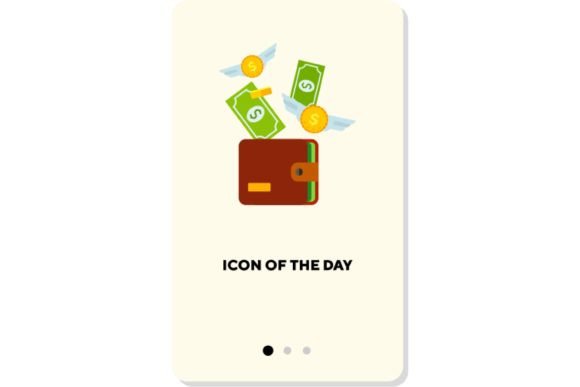
In the digital age, communication is no longer limited to text. We live in a visual ecosystem where symbols convey meaning faster than words ever could. Among the most universally recognized symbols are those related to money and finance. Specifically, the bank notes flat vector icon, often depicted alongside a green wallet or isolated cash elements, has become a cornerstone of user interface (UI) design. These simple yet powerful graphics do more than just decorate a webpage; they serve as critical navigational aids that help users understand complex financial concepts instantly.
Whether you are a web designer, a business owner, or simply someone interested in how digital interfaces work, understanding the significance of these icons is essential. This article explores the purpose, design principles, and practical applications of money-related vector illustrations, helping you appreciate why these small graphical elements play such a massive role in our daily online interactions.
The Power of Flat Design in Financial Interfaces
To understand the bank notes flat vector icon, we must first look at the design style itself: flat design. Emerging as a reaction against the skeuomorphic trends of the early 2000s—where digital buttons looked like real-world leather or plastic—flat design strips away unnecessary textures, shadows, and gradients. It focuses on minimalism, usability, and clarity.
When applied to financial symbols, such as a green wallet or a stack of dollar bills, flat design offers several distinct advantages:
- Clarity: By removing visual noise, the core message—money—is communicated instantly.
- Scalability: Vector illustrations can be resized infinitely without losing quality, making them perfect for everything from mobile app icons to large desktop banners.
- Speed: Flat icons typically have smaller file sizes, which helps websites load faster—a crucial factor for user retention and SEO.
The use of specific colors, particularly green, is not accidental. In many cultures, green is psychologically associated with wealth, growth, and stability. When a user sees a green bank note icon, their brain processes the concept of "finance" or "payment" before they even read the accompanying text.
Why Vector Illustrations Matter for Web and Apps
You might wonder why designers prefer vector formats over standard raster images (like JPEGs or PNGs) for these symbols. The answer lies in versatility. A vector illustration is created using mathematical paths rather than pixels. This means that whether the icon is displayed on a high-resolution retina display or a small smartwatch screen, it remains crisp and clear.
For developers and designers, this flexibility is invaluable. It allows for easy customization of colors and shapes to match brand guidelines. For instance, a fintech startup might want their wallet icon to match their specific brand blue, while a traditional bank might stick to the classic green. With vector assets, this change takes seconds rather than hours of redesign work.
Practical Applications in Modern Life and Business
The relevance of money and finance concept icons extends far beyond banking apps. They are embedded in almost every aspect of our digital lives. Here is how these symbols fit into various sectors:
- E-Commerce: During checkout, a clear icon of cash or a wallet reassures users that they are in the payment phase. It reduces anxiety and cart abandonment by providing visual cues that guide the user through the transaction process.
- Budgeting Tools: Personal finance apps rely heavily on these icons to categorize spending. A flat icon of bank notes might represent income, while a different symbol represents expenses. This visual shorthand helps users track their financial health at a glance.
- Gaming and Rewards: Many mobile games use stylized currency icons to represent in-game purchases or rewards. Even though the money is virtual, the design language borrows heavily from real-world financial symbols to create a sense of value.
- Corporate Reporting: Businesses use these icons in infographics and annual reports to make dry financial data more engaging and accessible to stakeholders.
By integrating these isolated sign elements into web design, companies can create a more intuitive user experience. Users do not have to guess what a button does; the icon tells them immediately.
Common Misunderstandings About Financial Iconography
Despite their simplicity, there are common misconceptions about how these icons should be used. One major assumption is that all money icons look the same. In reality, cultural context matters. While a green bill is widely recognized in the United States, other countries may associate different colors or shapes with their currency. Designers must be mindful of their target audience to avoid confusion.
Another misunderstanding is that simpler is always better. While flat design is popular, an icon that is too abstract can fail to communicate its purpose. A balance must be struck between minimalism and recognizability. For example, a rectangle alone might not look like money, but a rectangle with a dollar sign and a slight fold clearly communicates "bank note."
Furthermore, some believe that stock vector icons are generic and lack personality. However, modern vector libraries offer highly customizable elements. Designers can tweak line weights, corner radii, and color palettes to ensure that even a standard wallet and cash icon feels unique to their brand.
Best Practices for Using Money Icons in Web Design
If you are looking to incorporate these elements into your own projects, consider the following best practices to ensure effectiveness and accessibility:
- Maintain Consistency: Ensure that all your financial icons share the same style. Do not mix flat icons with 3D or hand-drawn styles, as this creates visual dissonance.
- Use Semantic HTML: When implementing these icons, use appropriate alt text for accessibility. Screen readers should be able to describe the icon as "Bank notes icon" or "Payment method" to assist visually impaired users.
- Consider Color Contrast: While green is traditional, ensure that the shade you choose has enough contrast against the background. This is vital for readability and compliance with accessibility standards.
- Context is Key: Always pair icons with labels when possible. While a wallet icon is recognizable, adding the word "Wallet" eliminates any ambiguity.
The Future of Financial Visuals
As technology evolves, so too does the way we represent money. With the rise of cryptocurrency and digital wallets, the traditional image of physical bank notes is being supplemented by new symbols, such as Bitcoin logos or digital card icons. However, the fundamental principle remains the same: users need quick, clear visual cues to navigate financial transactions.
The bank notes flat vector icon will likely remain a staple in design libraries for years to come. It serves as a bridge between the physical world of cash and the digital world of bytes. By understanding the psychology and design principles behind these simple graphics, we can create digital experiences that are not only beautiful but also functional and trustworthy.
In conclusion, the next time you see a green wallet icon or a stack of cash on your screen, take a moment to appreciate the design thinking behind it. These small elements are the unsung heroes of user experience, guiding us through the complex world of digital finance with clarity and ease. Whether for education, business, or creativity, mastering the use of these vector symbols is a valuable skill in today’s visual-centric world.