Enhancing Digital Health Interfaces with the Pills and Tablets Flat Icon for Pharmacy Therapy
In the rapidly evolving landscape of digital healthcare, visual communication has become just as critical as medical accuracy. Whether you are designing a telemedicine application, building an e-commerce platform for pharmaceuticals, or creating educational materials for patient adherence, the clarity of your interface dictates user trust and engagement. At the heart of this visual language lies the Pills and Tablets Flat Icon. Pharmacy Th, a versatile graphic element that serves as a universal signifier for medicine, health, and therapeutic intervention. Understanding how to effectively implement this vector illustration can transform a cluttered user experience into a streamlined, intuitive journey for patients and healthcare providers alike.
The Role of Visual Clarity in Healthcare Design
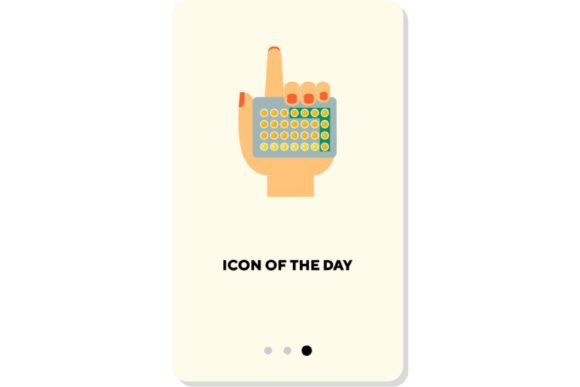
Healthcare is inherently complex. Patients often navigate systems while stressed, unwell, or confused by medical jargon. In this context, cognitive load must be minimized. This is where flat design principles shine. Unlike skeuomorphic designs that mimic real-world textures and shadows, flat icons rely on clean lines, solid colors, and simplified shapes. The Pills and Tablets Flat Icon. Pharmacy Th embodies this philosophy. It strips away unnecessary detail to present the core concept of medication instantly.
When users scan a mobile screen or a website dashboard, their brains process images significantly faster than text. A well-designed icon acts as a visual anchor. For instance, in a medication reminder app, seeing a recognizable pill symbol allows users to identify their next dose without reading lengthy instructions. This immediacy is not just a convenience; it is a functional necessity for improving medication adherence and reducing errors. By utilizing a standardized vector illustration symbol, designers ensure that the message remains consistent across different devices, screen sizes, and resolutions.
Addressing Common Design Challenges
Designers and developers in the health tech sector face several persistent challenges. One major hurdle is maintaining professionalism while ensuring approachability. Medical imagery can sometimes feel cold or intimidating. Another challenge is scalability. Icons must look crisp on a small smartwatch face and equally sharp on a large desktop monitor. Furthermore, there is the issue of cultural and contextual interpretation. An icon must be universally understood to avoid confusion in global applications.
The Pills and Tablets Flat Icon. Pharmacy Th addresses these issues directly. Its flat style offers a modern, clean aesthetic that feels professional yet accessible. Because it is a vector-based asset, it is infinitely scalable without losing quality, solving the resolution problem entirely. Moreover, the imagery of pills and tablets is globally recognized. Regardless of language barriers, the shape of a capsule or a round tablet communicates "medicine" effectively. This universality makes it an ideal choice for international health platforms aiming to serve diverse populations.
Practical Applications Across Digital Platforms
The utility of this icon extends far beyond simple decoration. It serves functional roles in various digital ecosystems. Here are some practical ways to integrate the Pills and Tablets Flat Icon. Pharmacy Th into your projects:
- Telemedicine Apps: Use the icon to denote prescription management sections, allowing patients to quickly access their refill history or current medications.
- E-Pharmacy Websites: Implement the symbol in navigation menus to categorize over-the-counter drugs, vitamins, and supplements, enhancing searchability and user flow.
- Patient Education Materials: Incorporate the icon into infographics that explain dosage schedules or drug interactions, making complex information more digestible.
- Wearable Health Devices: Due to its simplicity, the flat icon works perfectly on small screens, serving as a notification marker for medication alerts.
Each of these applications leverages the icon’s ability to convey meaning instantly. By placing the medicine and health concept at the forefront of the user interface, you reduce friction and help users achieve their goals faster.
Tailoring the Approach for Different Users
Not all users interact with health interfaces in the same way. Understanding these differences is key to effective implementation. For elderly users, who may have visual impairments or less familiarity with technology, high contrast and clear symbolism are vital. The bold lines of a flat icon provide better visibility than intricate detailed illustrations. For this demographic, pairing the Pills and Tablets Flat Icon. Pharmacy Th with clear, large text labels ensures maximum accessibility.
Conversely, younger, tech-savvy users might prioritize speed and minimalism. They appreciate interfaces that are uncluttered and fast-loading. Vector icons are lightweight files that contribute to quicker page load times, enhancing the overall performance of the app. For healthcare professionals, such as pharmacists or doctors using administrative software, the icon serves as a quick reference point within dense data tables, helping them locate patient medication records efficiently amidst other clinical data.
Implementation Best Practices and Considerations
To get the most out of the Pills and Tablets Flat Icon. Pharmacy Th, consider the following recommendations during your design process:
- Consistency is Key: Ensure that the style of the pill icon matches the rest of your icon set. If you are using flat design, avoid mixing in 3D or hand-drawn elements, as this creates visual dissonance.
- Color Psychology: While flat icons are often monochromatic, color choices matter. Blue and green are commonly associated with health, trust, and calmness. Avoid aggressive colors like bright red unless indicating a warning or critical alert.
- Accessibility Standards: Always include alt text for web implementations. Screen readers need to interpret the icon correctly for visually impaired users. Describe it functionally, such as "Medication icon" or "Prescription button," rather than just "Pill image."
- Contextual Placement: Place the icon near relevant actions. If it represents a "Refill Prescription" button, ensure it is positioned prominently within the user’s natural eye-scanning path.
Additionally, remember that while the icon is a powerful tool, it should never replace critical textual information. Legal and safety requirements in healthcare demand that drug names, dosages, and warnings are explicitly stated in text. The icon serves as a guide, not a substitute for precise medical data.
Conclusion: Elevating User Experience Through Smart Design
The integration of the Pills and Tablets Flat Icon. Pharmacy Th into your digital health projects is more than a cosmetic choice; it is a strategic decision that enhances usability, accessibility, and user trust. By leveraging the simplicity and scalability of vector illustrations, you create interfaces that are not only visually appealing but also highly functional. Whether you are building a startup health app or revamping an established pharmacy portal, focusing on clear, meaningful visual elements will help your users navigate their health journeys with confidence and ease. As digital health continues to grow, the demand for intuitive, human-centered design will only increase, making assets like this essential toolkit for modern developers and designers.