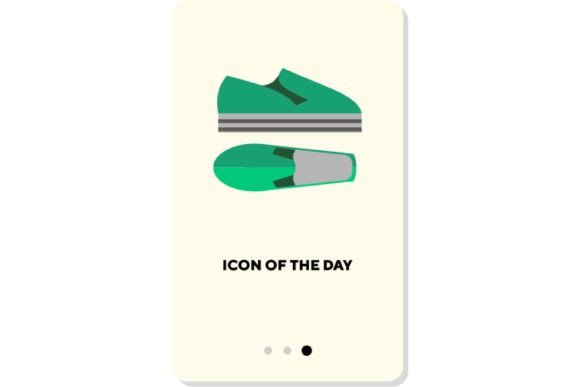
Slip on Shoes and Boots Flat Icon: Elevating Digital Footwear Design
In the rapidly evolving landscape of digital design, the smallest details often carry the most weight. Among these subtle yet powerful elements is the slip on shoes and boots flat icon. At first glance, it may seem like a minor graphic asset—a simple vector illustration of footwear. However, for web designers, app developers, and brand strategists, this specific icon represents a convergence of fashion, functionality, and user experience. It is not merely a picture of a shoe; it is a visual shorthand that communicates comfort, ease, and modern lifestyle choices to users instantly.
The demand for high-quality, isolated vector signs has surged as businesses move toward cleaner, more intuitive interfaces. The shoe walking isolated vector sign serves as a critical component in this shift, offering a versatile symbol that can be scaled, colored, and adapted without losing clarity. This article explores why this specific footwear concept matters, how it fits into current design trends, and how professionals can leverage it to enhance their digital products.
The Evolution of Footwear Icons in Digital Interfaces
Historically, icons in software and web design were utilitarian and generic. A "shopping" icon was often a basic cart; a "clothing" category might be represented by a hanger or a t-shirt. As e-commerce expanded into niche markets, the need for specificity grew. Users no longer just shop for "clothes"; they search for specific styles, such as slip-ons, boots, or athletic wear. This shift in consumer behavior necessitated a corresponding evolution in visual assets.
The slip on shoes and boots flat icon emerged from this need for precision. Unlike complex photographic images, flat icons offer immediate recognition. They strip away unnecessary detail, focusing on the silhouette and essential features of the footwear. This minimalism aligns perfectly with modern design principles that prioritize speed and clarity. When a user sees a clean vector illustration of a slip-on shoe, they instantly understand the category without reading text. This reduces cognitive load and improves navigation efficiency.
Furthermore, the transition from skeuomorphic designs (which mimic real-world textures) to flat design has made these icons more versatile. A flat icon can easily adapt to dark mode, light mode, or various brand color palettes. This flexibility is crucial for responsive web design, where assets must look crisp on everything from a smartwatch screen to a 4K monitor.
Why Specificity Matters in Fashion and E-Commerce
In the competitive world of online retail, differentiation is key. Generic icons fail to capture the essence of a brand’s unique value proposition. For a company specializing in comfortable, easy-to-wear footwear, using a generic shoe icon does not convey the right message. A slip on shoes and boots flat icon, however, immediately signals convenience and casual elegance. It tells the user that the products offered are accessible, practical, and stylish.
Consider the user journey on a fashion app. A customer looking for quick, everyday footwear will scan categories visually. If they encounter a clear, well-designed icon representing slip-ons and boots, they are more likely to engage with that section. This visual cue acts as a filter, helping users find what they want faster. For businesses, this translates to lower bounce rates and higher conversion rates. The icon becomes a silent salesperson, guiding users toward relevant products.
Moreover, the footwear and fashion concept extends beyond mere categorization. It reflects lifestyle trends. Slip-on shoes and boots are often associated with urban living, travel, and active lifestyles. By incorporating these specific icons into their design systems, brands can align themselves with these values. It creates an emotional connection with the audience, suggesting that the brand understands their need for comfort and style in a fast-paced world.
Technical Advantages of Vector Illustrations
From a technical standpoint, the choice of format is as important as the design itself. The vector illustration symbol elements for web design and apps offer significant advantages over raster images (such as JPEGs or PNGs). Vectors are mathematically defined paths, meaning they can be scaled to any size without pixelation. This is essential for modern multi-device environments.
- Scalability: A single vector file can serve as a tiny favicon, a medium-sized button icon, or a large hero image element. This reduces the need for multiple file versions, simplifying asset management.
- Performance: Vector files, particularly SVGs, are often smaller in file size than high-resolution images. Faster loading times improve SEO rankings and user satisfaction, especially on mobile networks.
- Editability: Designers can easily change colors, strokes, and shapes within the vector file. This allows for rapid A/B testing of different icon styles to see which resonates best with users.
The shoe walking isolated vector sign exemplifies these benefits. Being isolated means it has a transparent background, allowing it to blend seamlessly into any interface layout. Whether placed on a vibrant banner or a minimalist white card, the icon maintains its integrity and visual appeal.
Integrating Footwear Icons into Modern Workflows
For creators and entrepreneurs, integrating these icons into their workflow requires a strategic approach. It is not enough to simply drop an icon into a design; it must be part of a cohesive visual language. Here are some practical recommendations for leveraging the slip on shoes and boots flat icon effectively:
- Consistency is Key: Ensure that the style of your footwear icons matches the rest of your icon set. If you use flat design for other categories, do not mix in realistic illustrations. Consistency builds trust and professionalism.
- Contextual Relevance: Use the icon where it adds value. For example, in a travel app, a slip-on shoe icon could represent "comfortable packing essentials." In a fitness app, it might denote "post-workout casual wear." Context enhances meaning.
- Accessibility Considerations: Always include alt text for icons. Screen readers should describe the icon accurately, such as "Icon of slip-on shoes and boots," to ensure inclusivity for users with visual impairments.
- Interactive Feedback: When used as buttons or links, ensure the icon provides visual feedback on hover or tap. A slight color change or animation can confirm user interaction, improving the overall user experience.
By treating these icons as integral parts of the user interface rather than afterthoughts, designers can create more engaging and intuitive digital experiences. The vector illustration symbol elements for web design and apps are tools for communication, and their effective use can significantly impact how users perceive and interact with a brand.
Future Trends in Visual Symbolism
As technology advances, the role of icons continues to evolve. With the rise of augmented reality (AR) and virtual reality (VR), static icons may give way to interactive 3D models. However, the fundamental principle remains: clarity and immediacy. Even in immersive environments, users need quick visual cues to navigate options. The simplicity of the slip on shoes and boots flat icon ensures it will remain relevant, even as presentation formats change.
Additionally, the trend toward personalization means that icons may become more dynamic. Imagine an app that changes its footwear icons based on the user’s past purchases or local weather conditions. While this is still emerging, the foundational assets—like high-quality vector signs—will be the building blocks of these personalized experiences.
In conclusion, the slip on shoes and boots flat icon is more than a decorative element. It is a strategic tool that bridges the gap between user intent and digital content. By understanding its relevance, leveraging its technical advantages, and integrating it thoughtfully into design systems, professionals can create more effective and engaging digital products. As consumer expectations continue to rise, the attention to detail represented by these small but mighty icons will distinguish successful brands from the rest.